Computational Biodesign Fellow — Grace Hopper-Kumar Lab
May 2025 – Aug 2025
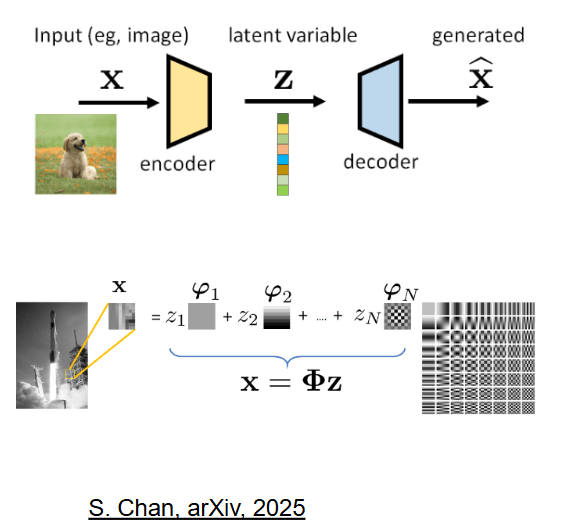
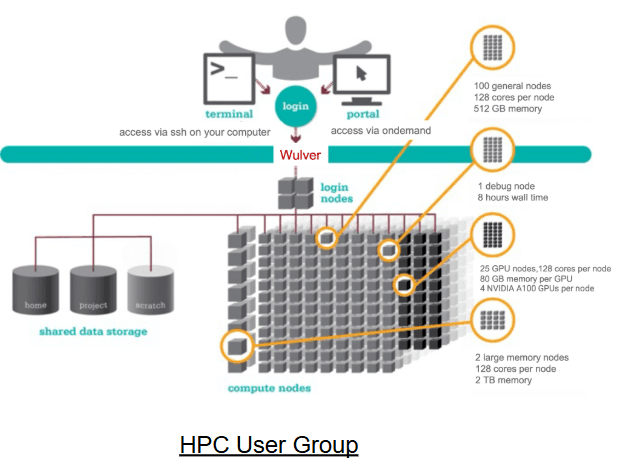
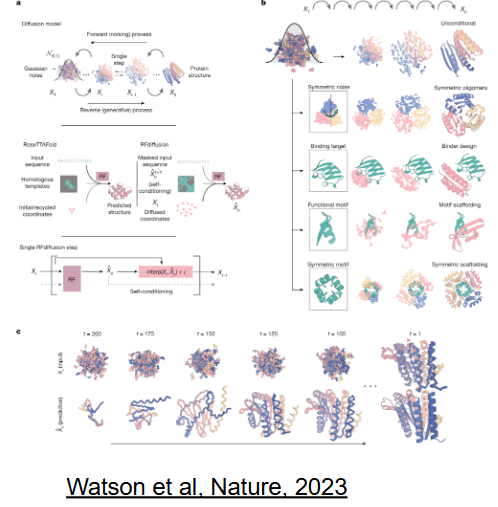
I have architected end-to-end computational workflows integrating SLURM orchestration with advanced generative AI models on the Wulver HPC cluster, utilizing distributed nodes equipped with NVIDIA A100 GPUs to accelerate data-intensive tasks. To ensure reproducibility across these high-performance environments, I deployed Apptainer (Singularity) containers, standardizing complex Python environments for seamless execution on Linux subsystems. My technical toolkit centered on the application of deep learning to structural biology; I implemented AntiBERTY and Graph Transformers to generate sequence embeddings and predict protein structures using Invariant Point Attention mechanisms. Building on this, I engineered generative diffusion pipelines using RFdiffusion and RoseTTAFold, automating the 'denoising' process to design novel protein backbones and binding targets from Gaussian noise.
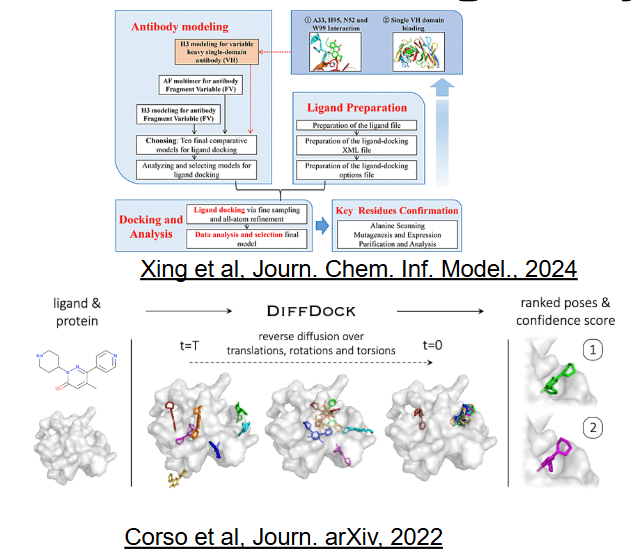
Beyond structure generation, I executed rigorous validation workflows involving energy-based and diffusion-based docking algorithms. I utilized DiffDock to simulate reverse diffusion over translations, rotations, and torsions, identifying optimal ligand-protein binding poses with high-confidence scoring. For peptide engineering, I applied Generalized Kinematic Closure algorithms to perform energy minimization and conformational sampling for cyclic peptide designs.
To verify the stability and biological relevance of these static models, I orchestrated production-level Molecular Dynamics (MD) simulations, contrasting static docking results with dynamic behavior in aqueous environments. I further refined these models through computational alanine scanning and mutagenesis analysis, isolating key residues to optimize binding affinity and validate the final project outcomes presented at the research symposium.